


One hundred talented chefs gather to prove who is the true king of the kitchen! Contestants are divided into two distinct camps: the self-taught "Black Spoons" versus the culinary elite "White Spoons." Netflix's Culinary Class Wars not only satisfies viewers' cravings for food and competition but also uses its unique "Black Spoon vs. White Spoon" premise to explore themes of class, equal opportunity, and the very definition of culinary value. It powerfully expresses that true taste and worth often transcend external labels and status. But did you know you can taste the award-winning dishes from the judges and contestants right here in Hong Kong? Our new "Dine & Watch" series breaks down the hottest shows and tells you where to find the food!


Creativity Under Pressure: The Magic of Cooking Beyond Limits
Under immense time pressure, with specific ingredients and strict judging criteria, the chefs must demonstrate incredible adaptability and creativity. They boldly combine Western ingredients with Korean sauces or cleverly integrate dessert elements into savory dishes, creating stunning culinary surprises.
In one challenge, a chef fused kimchi with cheese to create a surprising yet harmonious flavor; another added unexpected spices to a traditional Korean soup, injecting new layers into a classic. Beyond creative pairings, the chefs also explored innovative and efficient cooking techniques, such as rapid fermentation and aging. They utilized methods like sous-vide and vacuum sealing to achieve the ideal state for their ingredients in a short amount of time, skillfully overcoming time constraints.
Even under pressure, some chefs adeptly used molecular gastronomy techniques—foams, gels, and powders—not only to enhance texture but also to add visual depth. It's worth noting that creativity isn't always about complex processes. Sometimes, precise knife work, logical cooking sequences, and the art of sauce reduction can bring out the ultimate flavor in the shortest time. These moments of inspiration, born from high-pressure challenges, not only showcase the extraordinary talent of the chefs but also allow the audience to understand that true culinary art often shines brightest under constraints.
An Immersive Viewer Experience
The key to a great food show is making the audience's mouth water. The appeal of food comes from its color, sheen, and texture. The show skillfully presents "temperature"—the steam rising from a hot dish or the perfect form of a cold dessert. Since viewers can't smell or taste the food, the program relies on visual effects, sound (like the sizzle of a pan or the rustle of mixing), and vivid descriptions from the hosts and chefs, such as, "This sauce has the perfect balance of sweet and sour, cutting through the richness with a light, fruity aroma," to ignite the imagination. The judges' genuine expressions, gazes, and exclamations of delight are incredibly effective, making viewers feel as if they are tasting the same delicious food.

A Professional and Fair System
With two top-tier culinary experts as judges, the critiques are not only professional but also fair. The show emphasizes blind tasting, where judges are blindfolded to eliminate any bias from a chef's background or fame, ensuring that only the taste of the dish determines the winner. This greatly enhances the fairness and credibility of the competition.

A Diverse Presentation of Cuisine
The variety of dishes featured is immense, ranging from traditional Korean cuisine to modern creative dishes, from exquisite plating to school lunches and home-style flavors. This not only provides a feast for the eyes but also showcases the richness and diversity of local Korean culinary arts.
【LATEST NEWS】Culinary Class Wars Season 2 Update
Netflix has confirmed that Season 2 of Culinary Class Wars will be released in the second half of 2025. However, one of the original judges, Paik Jong-won, announced in May that he would be taking a temporary break from all broadcast activities to focus on his business, following several controversies surrounding his food brands since early 2025 (related to product quality, mislabeling, etc.). While some filming for Season 2 has already been completed, this change undoubtedly creates uncertainty for the judging panel.
It is confirmed that 3-Michelin-star chef Ahn Sung-jae will return. Netflix has not yet announced how Paik Jong-won's seat will be filled. Fans can look forward to another exciting season of culinary battles, possibly with a fresh new dynamic!
Taste the Culinary Wars: Where to Eat in Hong Kong?
Many of the contestants' restaurants have gained immense popularity thanks to the show. Here is a guide to the restaurants associated with some of the popular judges and contestants.
Judge | Ahn Sung-jae (안성재)

The head chef of Korea's only 3-Michelin-star restaurant, MOSU Seoul, known for his professional and calm judging style on the show.
- Main Restaurant in Korea: MOSU Seoul (45 Itaewon-ro 55ga-gil, Yongsan-gu, Seoul)
- Hong Kong Branch: MOSU Hong Kong (3/F, M+ Museum, 38 Museum Drive, West Kowloon). This is Chef Ahn's only restaurant outside of Korea, blending Hong Kong culture with his culinary philosophy, complete with stunning Victoria Harbour views.
- Recommended Dish: MOSU offers innovative, modern Korean cuisine and is famous for its Abalone Taco. The restaurant features a seasonal tasting menu where every dish is a work of art.
Judge | Paik Jong-won (백종원)
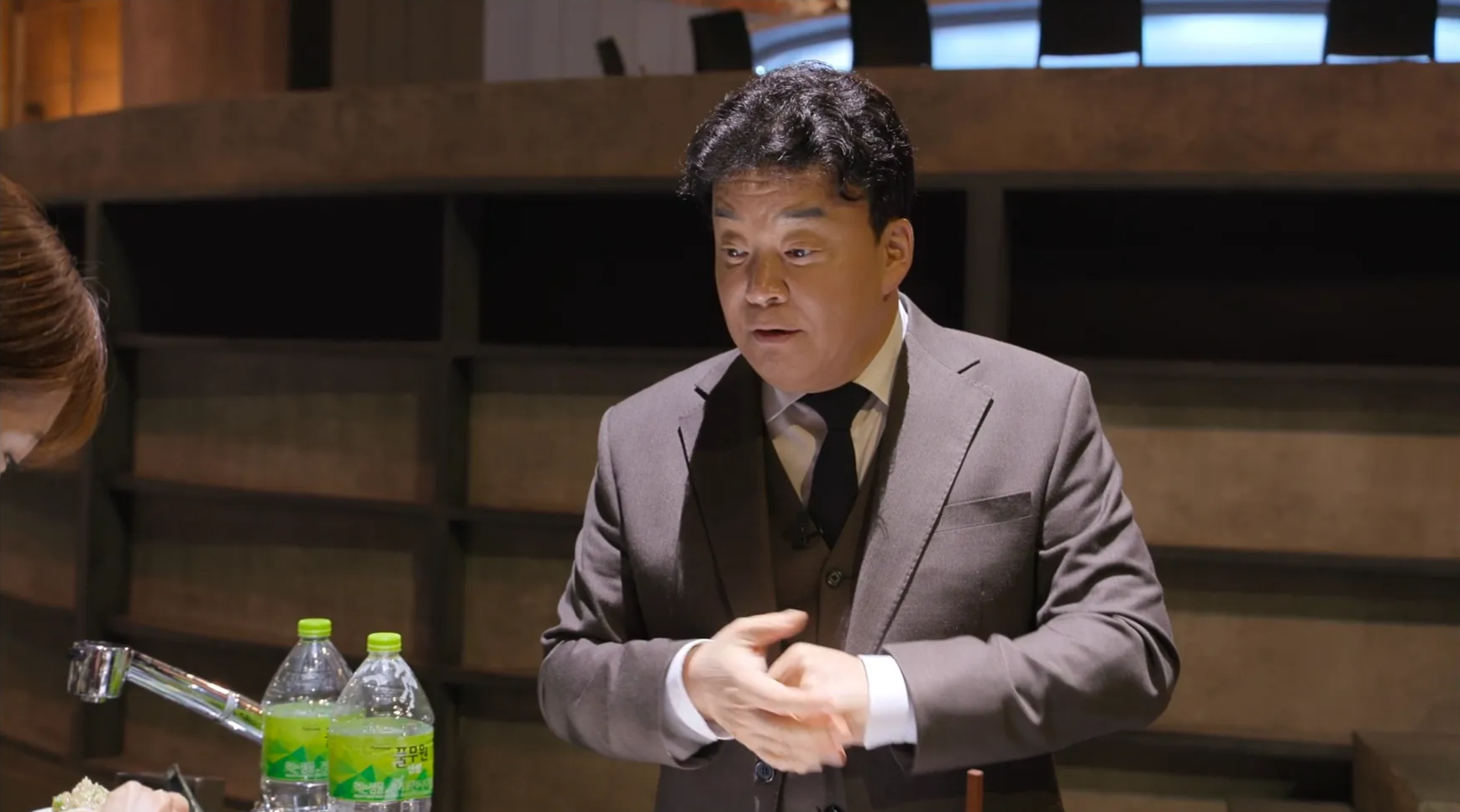
A famous South Korean food entrepreneur with numerous chain brands. Although he has paused his TV activities, his culinary empire remains vast.
- Paik's Noodle (홍콩반점0410): A popular Chinese-Korean noodle brand with several branches in Hong Kong. Recommended dishes: Jajangmyeon (black bean noodles), Tangsuyuk (sweet and sour pork), and Jjamppong (spicy seafood noodle soup).
- Shin Mapo BBQ (새마을식당): A Korean barbecue restaurant. The Hong Kong branch is at 1A, 1/F, Manson Plaza, 3-7A Prat Avenue, Tsim Sha Tsui. Recommended dishes: Pork and Kimchi Stew, Cheese Gyeran-jjim (steamed egg), and charcoal-grilled meats.
"Black Spoon" Contestants & Their Restaurants
The "Black Spoon" chefs gained immense recognition from the show, and their restaurants have become pilgrimage sites for food lovers.
The Chinese Cuisine Goddess | Lee Si-won (이시원)

Current Restaurant: Grand Majestic Sichuan (as Sous Chef)
Address: Shop 301, 3/F, Alexandra House, 16-18 Chater Road, Central, Hong Kong
Recommended Dishes: The restaurant specializes in creative yet authentic Chengdu-style Sichuan cuisine, including classics like Mapo Tofu and Dan Dan Noodles.
The Neapolitan Mafia | Kwon Sung-joon (권성준)
Restaurant: Via Toledo Pasta Bar (비아톨레도파스타바)
Address: 1/F, 7-2 Wonhyo-ro 83-gil, Yongsan-gu, Seoul
Recommended Dishes: Specializes in traditional Italian pasta and pizza, incorporating local Korean ingredients for a stunning fusion of flavors.
The Culinary Madman | Yoon Nam-no (윤남노)
Restaurant: Deepin Sindang (디핀)
Address: 1/F, 411 Toegye-ro, Jung-gu, Seoul
Recommended Dishes: Serves creative cuisine that blends Italian, French, and Japanese influences. Known for bold plating and flavors, such as the Jeju beltfish main course, abalone dishes, and olive ice cream.
The Delivery Rider Chef | Doryang (도량)
Restaurant: Doryang Chinese Restaurant (도량)
Address: 2/F & 3/F, 6 Jahamun-ro 6-gil, Jongno-gu, Seoul
Recommended Dishes: The Dongpo Pork, Eight Treasure Meatballs, Spicy Seafood Noodle Soup, and Sweet and Sour Pork that were praised on the show.
